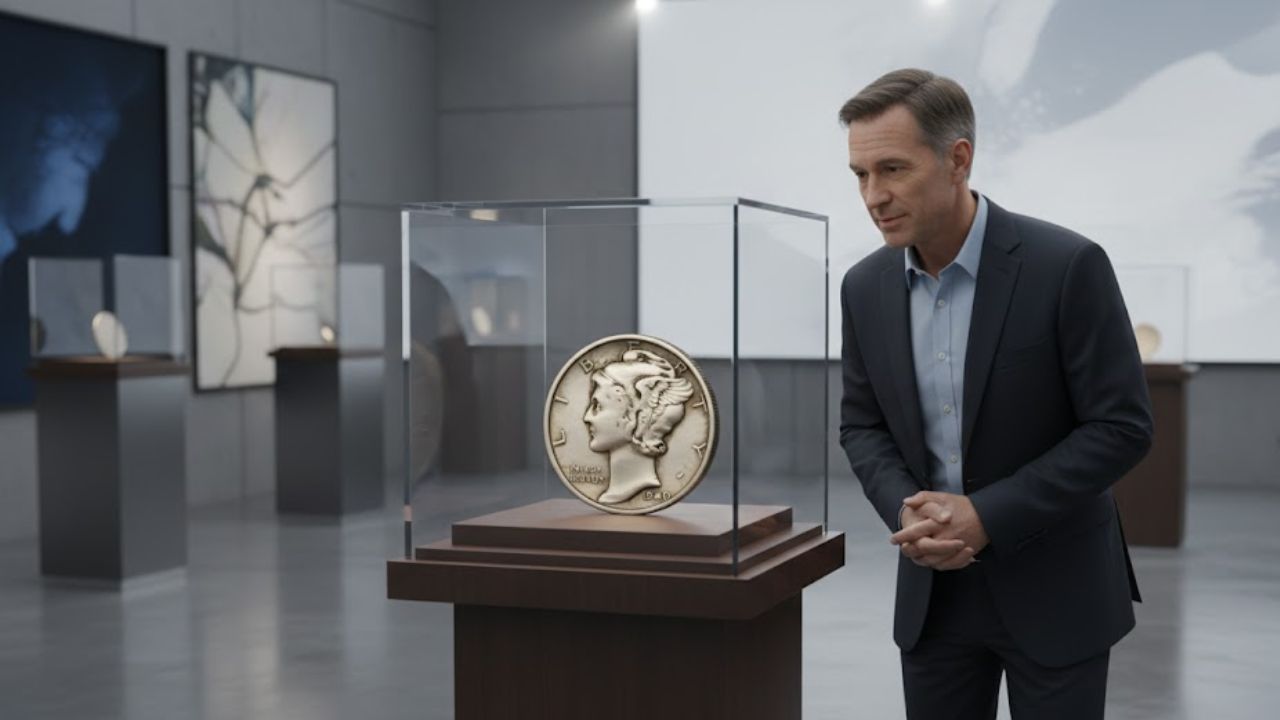
1940 Lincoln Penny: Coins are far more than everyday pocket change. They serve as lasting reminders of the periods in which they were created. The 1940 Lincoln penny and the 1940 Mercury dime both emerged during a tense chapter in global history, just before the United States entered World War II. While millions were produced, select examples in exceptional condition or with rare characteristics have become highly desirable among collectors. Understanding their background, rarity, and value helps reveal why these coins continue to attract attention today.
1940 Lincoln Penny and 1940 Mercury Dime Key Facts and Values
| Coin | Mint Locations | Special Varieties | Proof Mintage | 2026 Value Range |
|---|---|---|---|---|
| 1940 Lincoln Penny | Philadelphia, Denver, San Francisco | Doubled die varieties | Under 15,000 | $0.05 to $2,000+ |
| 1940 Mercury Dime | Philadelphia, Denver, San Francisco | Full Bands, doubled dies | Under 11,000 | $2 to $3,000+ |
The 1940 Lincoln Penny
By 1940, the Lincoln wheat penny had already been in circulation for more than three decades. Designed by Victor David Brenner, the coin displays Abraham Lincoln on the front and two wheat stalks framing the reverse. Large mintages mean most circulated examples are common today.
However, condition plays a major role in determining 1940 Lincoln penny value. Coins graded in uncirculated condition with strong original luster can command solid premiums. Philadelphia proof pennies from 1940 are especially scarce due to limited production. Additionally, collectors seek doubled die varieties, where parts of the design show visible duplication caused during die creation. Such pieces can dramatically increase a coin’s worth.
Historical Background of the 1940 Lincoln Wheat Penny
The year 1940 was defined by uncertainty across the globe. Although the United States had not yet joined the war, economic and industrial preparation was already underway. The Lincoln wheat penny circulated widely during this period, representing economic continuity at a time of global instability.
For modern collectors, owning a 1940 wheat penny offers a tangible link to pre-war America. The coin symbolizes both resilience and transition as the nation stood on the brink of major change.
The 1940 Mercury Dime
The 1940 Mercury dime, officially called the Winged Liberty Head dime, is admired for its artistic beauty. Designed by Adolph A. Weinman, the obverse portrays Liberty wearing a winged cap symbolizing freedom of thought. The reverse features a fasces paired with an olive branch, reflecting unity and peace.
Although millions of 1940 Mercury dimes were struck, high-quality examples are much harder to find. Collectors pay particular attention to coins with Full Bands on the reverse, meaning the horizontal bands on the fasces are sharply defined. These well-struck coins often achieve higher premiums.
Proof Mercury dimes from 1940 are scarce, with fewer than 11,000 produced. Their mirror-like surfaces and crisp detail make them highly collectible in today’s market.
Historical Significance of the 1940 Mercury Dime
In 1940, the symbolism of the Mercury dime carried deep meaning. The fasces represented strength through unity, while the olive branch expressed hope for peace. During a time when much of the world was at war, these images reflected national values and aspirations.
Collectors often view the 1940 Mercury dime as a piece bridging the optimism of earlier decades and the hardships of wartime America. Its elegant design continues to make it one of the most popular classic U.S. coins.
Rarity and Value Factors for 1940 Coins
Several factors influence 1940 Lincoln penny value and 1940 Mercury dime value:
Condition and grading are critical, especially for uncirculated and proof coins
Mint marks can affect scarcity in higher grades
Doubled dies and mint errors significantly raise value
Strong strikes, particularly Full Bands on Mercury dimes, increase demand
While heavily circulated coins may carry modest premiums, pristine examples certified by professional grading services can reach into the hundreds or thousands of dollars.
How to Identify Valuable 1940 Lincoln Pennies and Mercury Dimes
Careful inspection is essential. For the 1940 Lincoln wheat penny, examine the date and lettering for signs of doubling. Check the mint mark beneath the date to determine origin. Proof coins will display sharper details and reflective surfaces.
For the 1940 Mercury dime, inspect the fasces on the reverse. Coins with clearly separated horizontal bands are classified as Full Bands and often carry higher value. Using magnification and comparing your coin to verified reference images can help confirm potential varieties. Professional authentication is recommended for suspected rare pieces.
Collecting 1940 Lincoln Wheat Pennies and Mercury Dimes
Building a collection of 1940-era coins allows collectors to connect with American history. Some hobbyists focus on completing year-and-mint sets, while others seek only high-grade or proof examples. Both strategies offer rewarding opportunities.
The 1940 Lincoln wheat penny highlights the enduring legacy of Abraham Lincoln, while the Mercury dime stands out for its artistry and symbolism. Together, they represent a remarkable period in U.S. coinage.
The Excitement of Finding Hidden Value
Part of the appeal of coin collecting lies in discovery. A coin inherited from family or found in an old jar could turn out to be a valuable variety. Stories of unexpected finds continue to inspire collectors.

Although most 1940 coins are common, rare examples still surface. Careful examination and patience can sometimes reveal surprising value hidden in plain sight.
Final Verdict on 1940 Lincoln Penny and Mercury Dime Value
The 1940 Lincoln penny and 1940 Mercury dime remain important pieces of American numismatic history. While typical circulated examples are affordable, rare proofs, high-grade specimens, and error varieties can be worth substantial amounts. Collectors value these coins not only for their potential price but also for the history they represent. For anyone interested in classic U.S. coinage, these 1940 issues offer both accessibility and opportunity.
Disclaimer
Values mentioned in this 1940 Lincoln penny value guide and 1940 Mercury dime value guide reflect general market estimates for 2026. Actual prices depend on condition, grading certification, rarity, and current demand. Always consult a reputable coin dealer or professional grading service before making buying or selling decisions.
